Instances where designers use their knowledge of human behavior (e.g., psychology) and the desires of end users to implement deceptive functionality that is not in the user’s best interest – (Gray et al. 2018)
Everything you do online is constantly under surveillance. From browsing an online website to play Candy Crush on your iPad; you are being watched. Now is it possible to go completely undetected online. The answer to that is yes; if you’re not online and even then no. The answer is no. In order to use most phones now you need an Apple iD or a Samsung account and that’s where the surveillance starts, and will continue for the rest of your online life.

You can, however, limit this surveillance. For example, on most phones there is an option to limit advertisers . You can also cancel various subscriptions and use incognito mode when browsing the web. All these things will help mask your online scent so to speak, but by no means completely covers it. It’s therefore important to notice how much power and control the internet can provide people. Normally, this asynchronous power will just mean you receive a few junk emails. However, in the wrong hands can be very bad. For example, most if not all banks will keep your details online. Although very hard for anyone to access, let alone someone who knows what they’re doing, sometimes your details can be accessed.

For example, in 2018 banking giant HSBC got hacked, releasing information like names, addresses but more importantly account numbers and account information leaving millions of bank accounts frozen. HSBC were fined 20 Million for this or about 4% of their profits. Here; read some more for yourself!
‘All texts are designed to
be understood pre-textually…it is the pretextual purpose that we bring to texts that
controls how we engage with them and regulates the focus of our attention.’
– Henry Widdowson
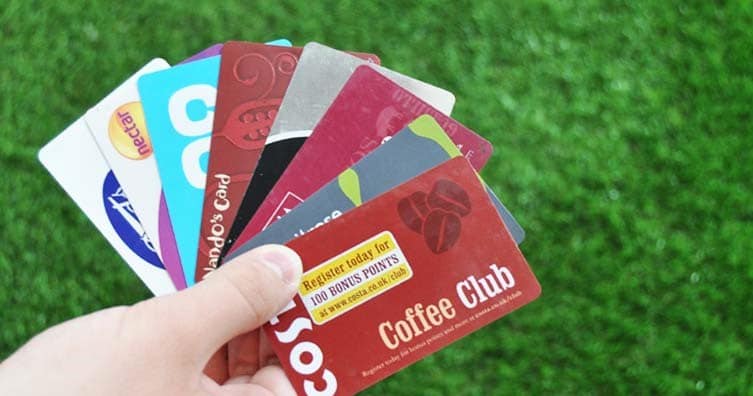
Another way people (especially companies) can get access to information is loyalty cards. Not only do you have to enter your personal information to create a loyalty card, every time you swipe your loyalty card, it’ll inform the company of all the purchase details. This allows them to see where, when and what item you bought, meaning they can target specific advertisement through emails and post; clever!
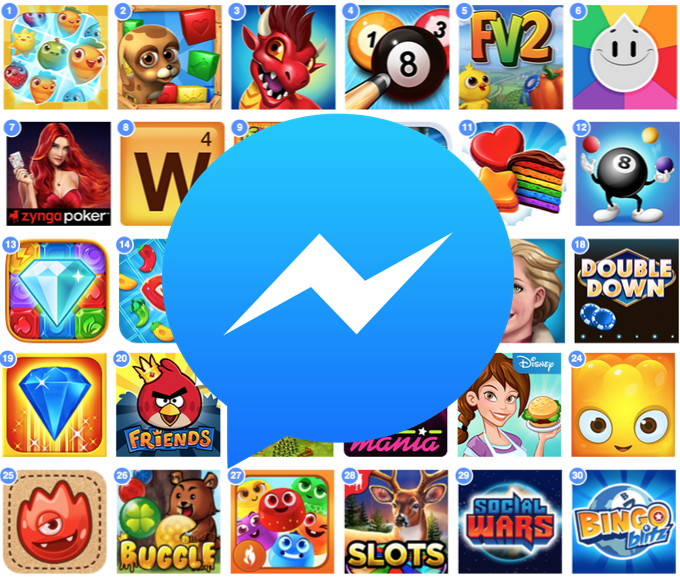
This also links to those silly games on Facebook; you know, the ones which tell you your own biggest fear and get it spot on every time. Facebook will gather information from companies in order to also advertise to you better and provide more relevant information. This means all the information you put online naively is most likely going to be sold to or by another company.
So my final question is; online, are you a person or a product? Well it’s a tricky question. Most people would respond something along the lines of; ‘of course I’m a person I post a selfie like everyday‘. But that indeed makes you even more of a product, providing more and more information to big companies to make more people post a selfie like, everyday.
 Language and New Media