‘If men learn this, it will implant forgetfulness in their souls; they will cease to exercise memory because they rely on that which is written, calling things to remembrance no longer from within themselves, but by means of external marks.‘ – Phaedrus (C. 360 B.C.E)
The invention of the printing press in the 1400’s by Johann Gutenberg was revolutionary in the storage and transport of information, hence also the reading and writing of information online.
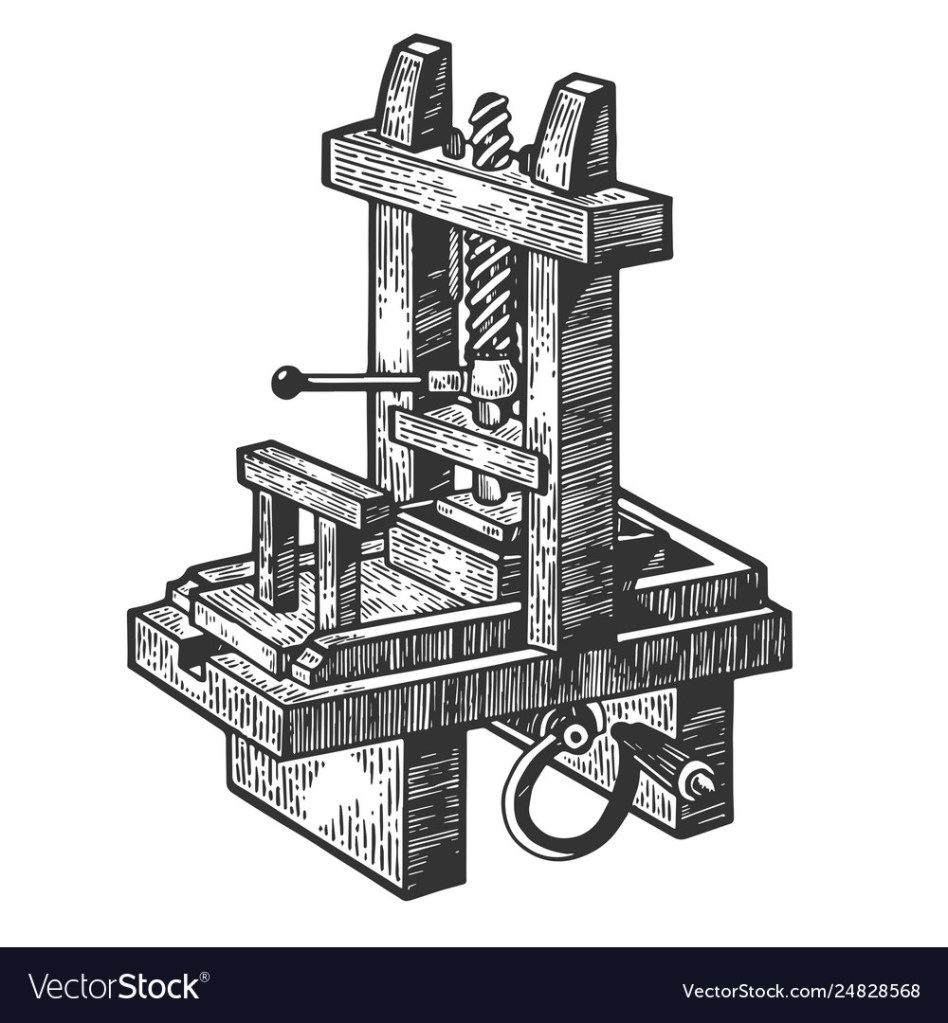
The printing pressed firstly allowed for the mass publication of the Bible in England meaning that all people could obtain one, not just priests and nuns. This allowed more people the ability to read and consequently write on their own.
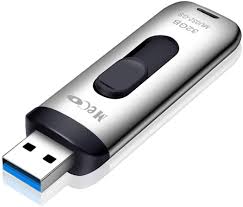
The invention of the internet allowed for 100,000’s of books to be stored on a memory stick. An entire library is now available on a computer. This allows for the transportation of knowledge and therefore, reading and writing skills.
Storing books online does have its constraints however. For example, the storage of books online make them a lot easier to pirate. This can be a real problem for authors as it makes it harder for them to publish their work, and therefore be able to fund future work.

Reading online is also very different to reading offline as in many cases, the reader is unaware of whom the author is. This means that the reader may be more involved within the text as they want to find out. more information. For example, I was reading a text online the other day however there was no information on whom published it. I therefore became more involved as I wanted to find more of this authors work. Therefore, showing that no author list can make a person more intrigued.

 Language and New Media