A culture of bullying is not only tolerated, but is integral to the Parliamentary system. – (Walsh, 2001, p. 69)
Gender in politics has been very linear in the past. Men have been dominant in politics with women only being able to vote since 1919 in England. Women were unable to voice their opinions at all and it took years of hard work to get progression. However, now there are many powerful women in politics. For example, German Prime Minister Angela Merkel is considered not only one of the most powerful women on the planet, but one the the most powerful people in the history of the planet.
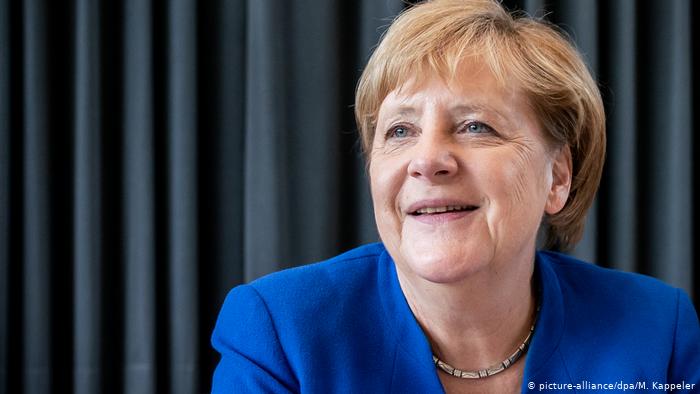
So how do women speak when it comes to politics? Shaw (2006) investigated how women succeeded in a political environment between 1997-2001 in a mainly male dominated political world. The study looked at women language in the House of Commons (HoC). 60 hours of video recordings and semi constructed interviews later Shaw found that female MP’s struggled to follow rules of the HoC and most women found terror when speaking. This errors found within women language is most likely due to the pressure placed on their shoulders, speaking for millions of women, in a mainly male based environment.
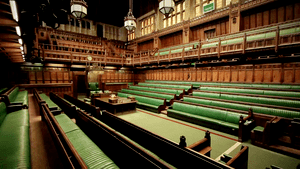
However, Shaw claims that this was also the same for male MP’s but as they kept a low profile, very little data was collected. This therefore begs the question; is Gender the only factor when it comes to language in politics or could it be something else?
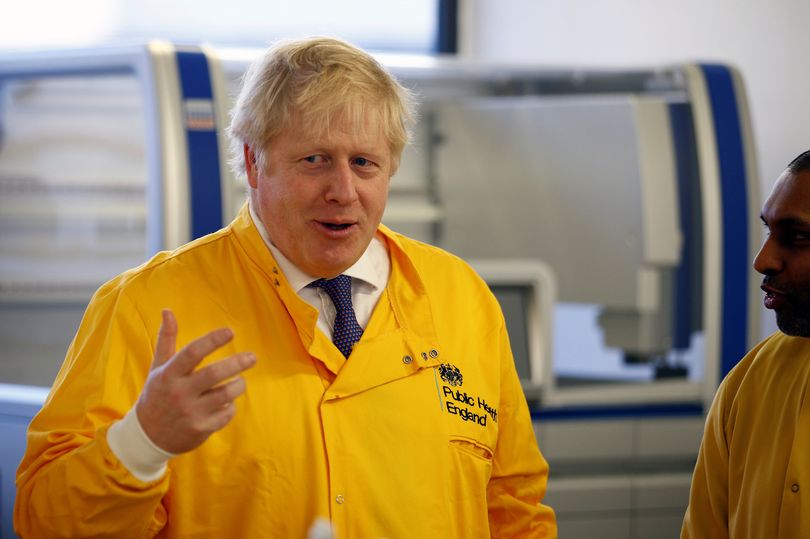
For example, Cameron and Shaw (2016) studied the 2015 general election in which 3 of the participants were women. They found that the minutes spoke by each politician showed very little correlation to the gender of the MP. For example, Nicola Sturgeon had more total turns that anyone but Nigel Farage. This shows that language is not based on gender at all, but rather the popularity of the party in the election.
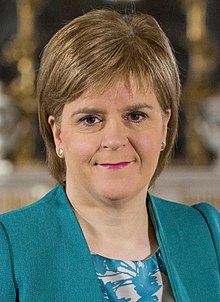
In modern society, I would go as far as saying people do not care about the gender of the politician in question, but rather their beliefs and personality. Sexism with language is definitely not as big as a problem as it once was and massive steps are being made, especially in politics, to make language more neutral for genders.
 Language and New Media